Mother
For the most part, they were to be pictures of ceilings,
windows – the scenery that immobile war veterans see in front of their eyes.
Images they will be doomed to watch till the end of their lives. After calling
Timur, who, as I had earned earlier, has no hands and legs, I knew my plan must
fail. Being a helpful man, Timur proposed to pick me up with his car after
work. As we were riding, he took off his artificial limbs to show me how to
drive without them.
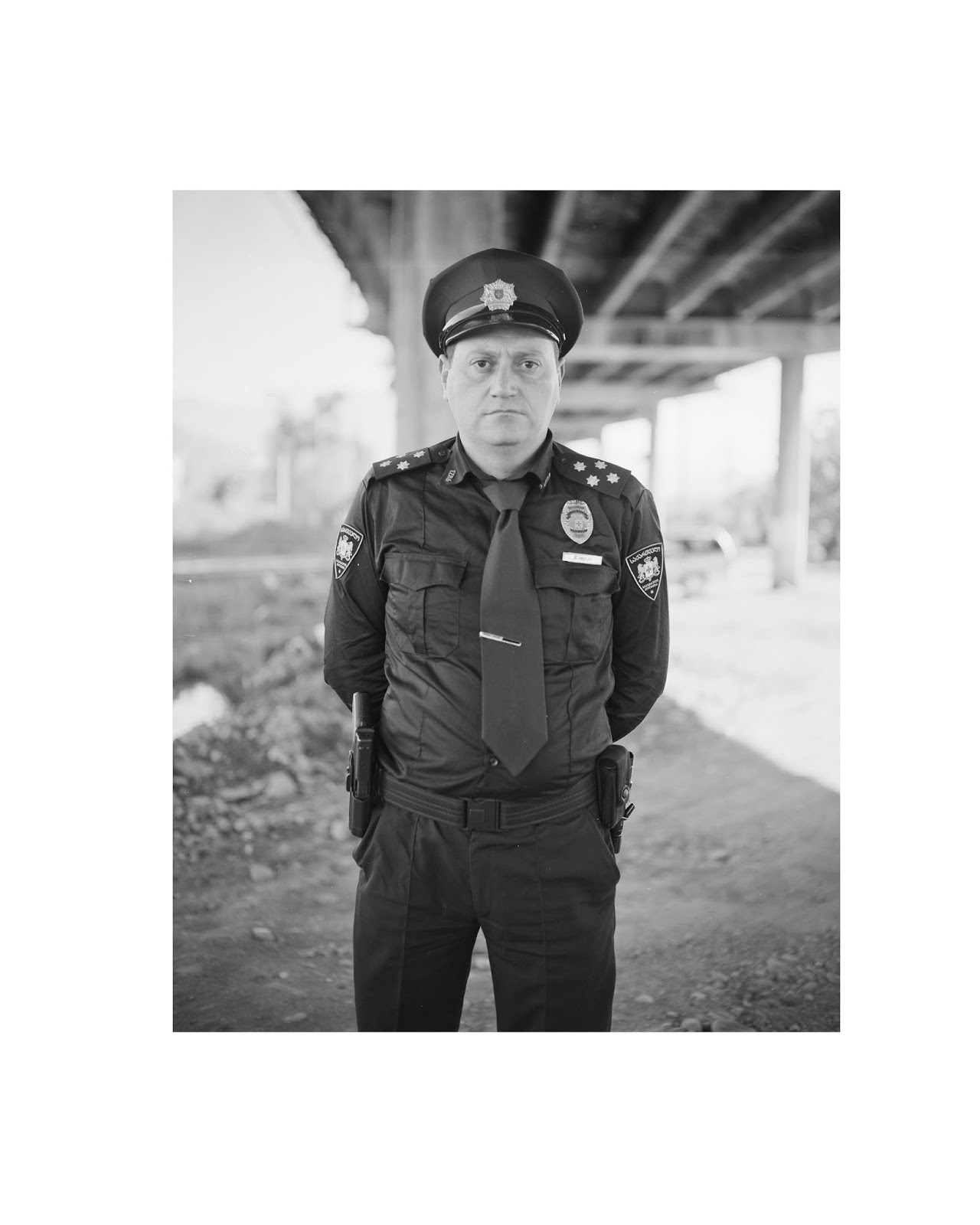
I began to wonder what force makes a man go to war. I was soon told that you cannot look away when they are attacking your mother. Your country is your mother.
I met many disabled veterans and none of them regretted their decision to fight. They were as determined to live normally as they had been determined to go to war. However, their lives changed radically. Most of them were unable to work or earn their living. They could not support their families, they lived on their own.
Malkhaz sold his house to buy proper artificial limbs made in Germany. The struggle to survive began. In the Caucasus, the presence of war is still felt intensely and visible in everyday lives. It is perceived in a completely different way here than in Western Europe. I tried to understand why it is so easy for people to take a decision that puts their lives at stake. How can you, in a matter of seconds, change the shovel you are using to dig the foundations for your garage for a rifle and go to the front.
Adam Pańczuk
I began to wonder what force makes a man go to war. I was soon told that you cannot look away when they are attacking your mother. Your country is your mother.
I met many disabled veterans and none of them regretted their decision to fight. They were as determined to live normally as they had been determined to go to war. However, their lives changed radically. Most of them were unable to work or earn their living. They could not support their families, they lived on their own.
Malkhaz sold his house to buy proper artificial limbs made in Germany. The struggle to survive began. In the Caucasus, the presence of war is still felt intensely and visible in everyday lives. It is perceived in a completely different way here than in Western Europe. I tried to understand why it is so easy for people to take a decision that puts their lives at stake. How can you, in a matter of seconds, change the shovel you are using to dig the foundations for your garage for a rifle and go to the front.
Adam Pańczuk